Information
Landmark: Jesuit Pharmacy MuseumCity: Grodno
Country: Belarus
Continent: Europe
Jesuit Pharmacy Museum, Grodno, Belarus, Europe
Overview
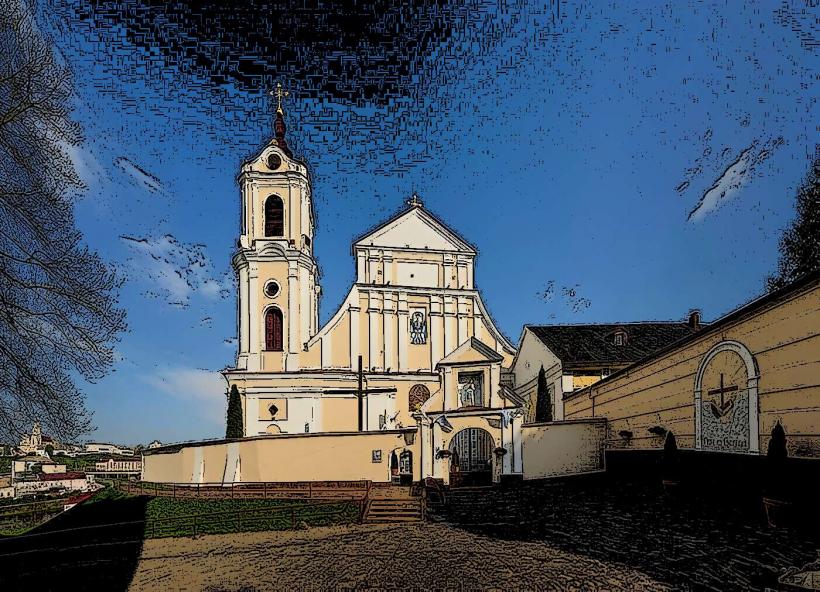
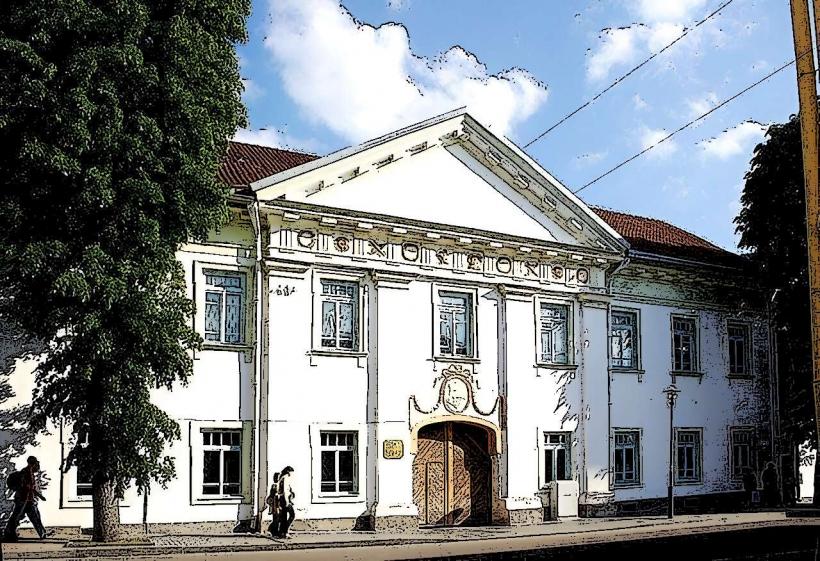
Tucked away in Hrodna, Belarus, the Jesuit Pharmacy Museum-also called the Hrodna Jesuit Pharmacy Museum-offers a rare glimpse into the city’s history and culture, with shelves lined in dim wood and the faint scent of antique herbs in the air, therefore step inside the museum and you’ll catch a vivid glimpse of the region’s past-its medicine, its pharmacies, and the quiet, persistent mark left by the Jesuits.In Belarus, it’s one of the rare museums devoted to pharmacy’s past and the healing methods people relied on centuries ago, from herbal tinctures to hand-ground powders, also the museum sits in a former wing of the Jesuit Monastery, a sprawling complex founded in Hrodna in the 1600s, when its brick walls still smelled faintly of lime, more or less The Jesuits, a Catholic order famed for their schools and missions, helped shape the city’s growth in those years, along with in 1709, they opened a minute pharmacy with worn wooden shelves, aiming to care for the townspeople’s health and meet the needs of their own community, occasionally For centuries, it stood as one of Belarus’s oldest pharmacies, its wooden counters worn smooth by countless hands, in turn during the Soviet era, when religious orders were outlawed, the Jesuit Pharmacy-like many churches and historic sites-was shut down or turned to other uses.Still, the pharmacy’s legacy lived on, and the antique building was eventually transformed into a museum, its shelves now lined with glass jars and worn wooden counters, moreover the Jesuit Pharmacy Museum tells the story of the pharmacy’s past and traces how medicinal practices and pharmaceutical knowledge have evolved over the centuries, perhaps At the museum, you can step into the story of medicine-tracing its history, culture, and science, from ancient herbal remedies to gleaming modern instruments, to boot the museum showcases an array of pharmacy treasures-aged brass scales, dried sprigs of medicinal herbs, vintage glass bottles, and centuries‑historic recipes once used by the Jesuits.It also offers a glimpse into the pharmaceutical practices and treatments of the 17th and 18th centuries, revealing how medicine was first used, equally important one standout is the museum’s historic apothecary cabinets, lined with gleaming glass jars, worn wooden drawers, and the carefully restored tools once handled by the pharmacists who worked there.These artifacts offer a glimpse into how medicines were once mixed by hand and kept in tiny glass jars, to boot the museum also shines a light on the Jesuit order’s role in advancing medical and scientific knowledge during their time in Hrodna.The Jesuits built a reputation for their work in education and science, and their minute pharmacy-its shelves lined with jars of herbs-was one way they cared for the community’s health, alternatively the museum now sits in a historic building that once belonged to the Jesuit Monastery.The building is a striking example of Baroque design, its façade alive with curling stonework and gilded trim that capture the era’s flair, likewise the pharmacy’s design draws heavily from the Jesuit tradition, and inside, polished wood counters and tall, arched shelves echo the style of its era.Actually, Inside, the Baroque style comes alive with carved wooden panels and ceilings painted in rich, swirling designs, in conjunction with the pharmacy’s layout and design remain much as they were in its early days-you can almost picture jars of dried herbs lining the shelves.Beyond displaying historical artifacts, the Jesuit Pharmacy Museum plays a vital role in educating visitors about Hrodna’s past, not only that at the museum, you’ll discover stories about the history of medicine, the art of pharmacy, and the Jesuits’ role in advancing science-like an timeworn glass vial used in early experiments.If you’re curious about how medicine evolved and how religious orders pushed science forward, this region is a must-discover-imagine shelves lined with centuries-antique instruments and faded manuscripts, then the museum runs guided tours where visitors can explore the pharmacy’s history, learn how remedies were once prepared, and discover the Jesuits’ lasting influence in the region.The museum hosts special programs and events to help the public understand the pharmacy’s rich history, from its antique glass bottles to its weathered wooden counters, at the same time it’s open to everyone, and you can wander through the exhibits at your own pace or join a guided tour.Step through its doors and you’re whisked back to the days of medieval apothecaries, their shelves lined with glass jars of herbs and powders, moreover inside, the air feels hushed, almost reverent, honoring centuries of scientific and medical tradition.The building’s rich past, together with the glass cases of antique jars and instruments, pulls you into the story of pharmacy and medicine; and like many museums, the Jesuit Pharmacy Museum has a minute shop where you can pick up souvenirs-books on pharmacy’s history, bundles of dried medicinal herbs, and more-while serving as a treasured piece of Hrodna’s and Belarus’s cultural heritage, consequently it offers a glimpse into the past, preserving the story of pharmacy and medical care in the region-glass vials and faded labels included-and also stands as a quiet tribute to the Jesuit legacy in the city, to some extent In Hrodna, the Jesuits helped shape education, science, and healthcare, and their legacy still echoes in the museum’s quiet halls where glass jars catch the light, as a result the Jesuit Pharmacy Museum remains a captivating stop for anyone drawn to the history of medicine, pharmacy, and the order’s cultural influence.You get a rare chance to trace how medicinal practices in Belarus have changed over time, and to pause beneath the pharmacy’s ornate arches to admire its historic architecture, while if you’re curious about where science, religion, and history meet, you’ll want to visit the museum in Hrodna-it’s the kind of area where vintage manuscripts still smell faintly of ink., under certain circumstances
Author: Tourist Landmarks
Date: 2025-09-07